
Leading Products for Construction Waste and Debris Management
Get insights into top-rated debris removal solutions that enhance productivity and safety on construction sites.
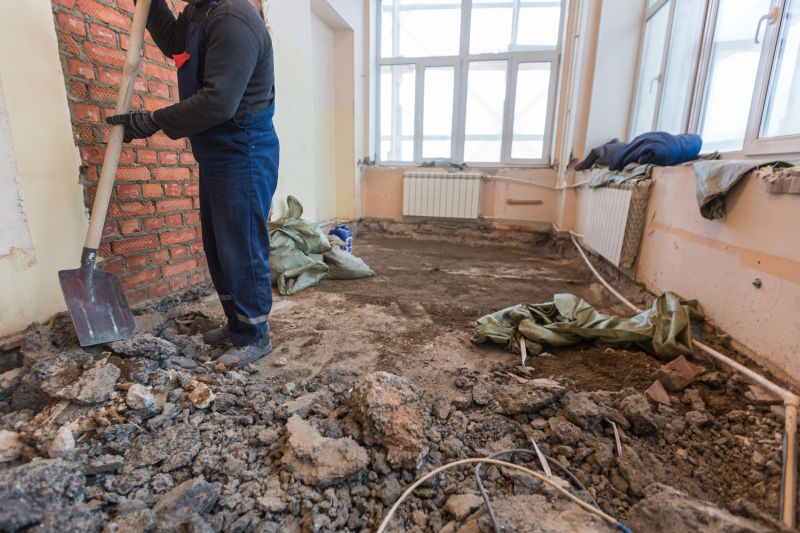 Constructing and renovating sites often generate a significant amount of debris that needs to be efficiently managed and removed. Proper debris removal not only maintains a clean and safe work environment but also helps in complying with safety regulations and streamlining project timelines. The right selection of products for construction debris cleaning can make the process more manageable, whether it involves small-scale renovation or large-scale construction projects.
Top Overall Option
Heavy-Duty Construction Debris Container
A versatile, high-capacity debris container designed to handle a wide range of construction waste materials. Its durable construction and secure lid make it suitable for both small and large projects, facilitating easy transportation and disposal of debris. Its ergonomic design allows for straightforward handling, helping to improve site organization and safety.
Types of Products For Construction Debris Cleanings
Roll-Off Dumpsters
Large, open-top containers ideal for heavy and bulk debris collection on construction sites.
Wheelbarrows
Portable, single-wheel carts suitable for moving smaller debris and materials across the site.
Debris Chutes
Sloped chutes that facilitate the safe and efficient transfer of debris from upper floors to ground level.
Heavy-Duty Trash Bags
Industrial-grade bags designed to contain and transport smaller debris and waste materials.
Broom and Dustpan Sets
Essential tools for sweeping up dust and small debris from floors and work surfaces.
Skid Steer Attachments
Specialized buckets and grapples that attach to skid steers for debris collection and loading.
Portable Debris Containers
Stackable, mobile containers suitable for quick debris collection and transportation around the site.
Concrete and Brick Saws
Power tools designed to cut through concrete, brick, and other hard materials for removal.
Vacuum Systems
Industrial vacuums capable of cleaning up fine dust and small debris from surfaces and equipment.
Scraper and Demolition Tools
Hand tools used for breaking down and removing stubborn debris like tiles and drywall.
Debris Grabs
Mechanical tools that grip and lift debris, ideal for heavy or awkward materials.
Protective Gear
Safety equipment such as gloves, masks, and goggles to ensure safe debris handling.
Sorting and Recycling Bins
Dedicated containers for separating recyclable debris from general waste.
Lift Assist Devices
Mechanical aids to help lift and position heavy debris or materials safely.
Hopper Boppers
Portable hoppers designed for collecting and temporarily storing debris before disposal.
Popular Choices
Widely used for large-scale debris collection on construction sites, offering substantial capacity.
Commonly utilized for smaller debris and waste collection, especially in confined spaces.
Popular for moving debris across the site, especially in tight or uneven areas.
Effective for transferring debris from upper floors to ground level safely and efficiently.
Frequently used for cleaning dust and fine debris from surfaces and equipment.
Popular for their versatility in loading and transporting debris in larger projects.
Favored for their mobility and ease of use in various site locations.
Commonly used for removing stubborn debris like tiles and drywall efficiently.
Essential for safety, regularly used by workers handling debris.
Popular for promoting waste separation and recycling efforts on site.
Helpful for reducing physical strain when lifting heavy debris or materials.
Different types of debris require different tools and equipment for effective cleanup. Heavy materials such as concrete, bricks, and tiles often necessitate durable, high-capacity containers or specialized tools. Smaller debris like wood scraps, drywall pieces, and packaging materials can be handled with versatile cleaning tools designed for quick collection and disposal. The variety of products available allows contractors and DIY enthusiasts to choose solutions tailored to their specific project needs.
Safety is a paramount concern when dealing with construction debris. Using appropriate protective gear alongside the correct debris removal products reduces the risk of injury. Additionally, selecting products with features like easy mobility, secure containment, and compatibility with various debris types can significantly improve efficiency. Proper disposal methods and adherence to local regulations should always be considered when selecting debris cleaning products.
Investing in the right debris management tools can also lead to cost savings by minimizing cleanup time and reducing the need for multiple trips to disposal sites. Durable containers, efficient collection tools, and ergonomic handling equipment are essential components of an effective debris removal strategy. Whether for small renovation projects or large construction sites, choosing the right products ensures a cleaner, safer, and more organized work environment.
Key Buying Considerations
- Capacity needs based on the size and scope of the project
- Type of debris primarily generated and suitable containment options
- Mobility and ease of transport for the debris containers or tools
- Durability and material quality of the products to withstand harsh conditions
- Compatibility with existing equipment or site infrastructure
- Safety features such as secure lids, stable bases, and ergonomic design
- Ease of loading and unloading to improve efficiency
- Compliance with local disposal and waste management regulations
- Cost-effectiveness relative to project budget and debris volume
- Availability of replacement parts or accessories
- Ease of cleaning and maintenance of reusable equipment
- Versatility for handling different types of debris
- Storage requirements when not in use
- Environmental considerations, if applicable, for dust containment
- User reviews and product ratings for real-world performance insights